Australia's Path to Digital Resilience Through Microsoft Partnership
The Australian Government and Microsoft have formalised a first-of-its-kind partnership in Canberra, marking a significant shift in how the nation protects its digital borders. Signed by Tony Burke MP, Minister for Home Affairs and Cyber Security, and Lisa Monaco, Microsoft’s President of Global Affairs, this agreement establishes a comprehensive framework for strategic cooperation. By prioritising Australia digital resilience, the collaboration aims to provide a secure foundation for the country's rapidly evolving technological landscape.
A Unified Approach to National Cyber Security
This new Microsoft government partnership moves beyond traditional vendor relationships to create a shared defence strategy. The framework specifically targets the protection of critical infrastructure while streamlining the adoption of national cyber security protocols. As businesses across the country transition to more complex cloud solutions, this agreement ensures that the underlying infrastructure remains robust and defended against sophisticated actors.
Lisa Monaco highlighted the importance of this alignment, stating that "digital resilience is foundational to Australia’s national and economic security in the AI era." This collaborative approach is designed to ensure that new technologies are deployed securely and responsibly in the national interest. By working together, the public and private sectors can better identify and mitigate threats before they impact essential services or the wider economy.
Supporting Digital Economic Resilience in the AI Era
Bolstering digital economic resilience is a core objective of the agreement, acknowledging that security and growth are intrinsically linked. Jane Livesey, President of Microsoft Australia and New Zealand, emphasized that "resilience is a growth strategy." This perspective suggests that a secure environment is not just a defensive necessity but a competitive advantage for Australian businesses looking to scale.
The partnership provides the resilient digital foundations necessary for local organisations to thrive and innovate with confidence. By strengthening the cybersecurity posture of the public sector, the agreement creates a ripple effect that benefits the entire private sector. This ensures that as the nation adopts Azure AI supercomputing capabilities, it does so within a framework that manages risk effectively while supporting long-term prosperity.
The strategic cooperation outlined in this memorandum of understanding is specifically designed to bolster national security and support economic stability as AI becomes more integrated into daily life. This alignment between industry expertise and government oversight sets the stage for a massive injection of resources into the nation's technical capabilities.
Investing in Azure AI Supercomputing and Cloud Infrastructure
Microsoft has committed A$25 billion to significantly expand its infrastructure footprint across the country, marking a massive investment in the nation’s technological future. This capital injection is designed to reinforce Australia digital resilience by building out hyperscale cloud environments that can withstand increasing demands and external threats. By focusing on infrastructure that is both scalable and secure, this Microsoft government partnership ensures that essential services remain operational even under pressure.
Scaling Azure AI Supercomputing for Local Innovation
A major component of this investment involves the substantial expansion of Azure AI supercomputing capabilities within Australian borders. These high-performance computing resources are essential for local businesses and government agencies looking to implement a robust AI strategy. By keeping these advanced tools on-shore, the partnership reduces latency and enhances the sovereignty of data processing for critical national applications.
The addition of these supercomputing assets means that Australian researchers and developers can train complex models without relying on overseas hardware. This local availability is a cornerstone of the broader plan to support digital economic resilience, providing the raw power needed for rapid innovation. As industry and government collaborate, these resources will enable more sophisticated responses to emerging challenges in fields ranging from climate science to healthcare.
Fortifying Critical Infrastructure and Data Centre Resilience
The Department of Home Affairs has identified connectivity and data centre resilience as high-priority areas to support the nation’s critical infrastructure. Ensuring that data centres are distributed and hardened against both physical and digital disruptions is vital for maintaining national cyber security. This infrastructure serves as the backbone for government services, healthcare, and financial systems that Australians rely on every day.
Modernising infrastructure through these hyperscale cloud solutions allows for better load balancing and advanced disaster recovery options. The commitment focuses on creating "resilient digital foundations" that support the high-bandwidth requirements of modern AI workloads. This approach helps prevent single points of failure, ensuring that the nation's digital economy can continue to thrive and innovate with confidence despite global volatility.
By establishing these robust technical foundations, the partnership creates a stable environment where new capabilities can be developed and deployed at scale. This physical and digital reinforcement is just the beginning of a larger effort to prepare the local workforce for a changing technological landscape.
Skilling Three Million Australians for the Digital Economy
A massive commitment to equip three million Australians with workforce-ready digital skills serves as a central pillar of this new strategic agreement. By prioritising education alongside infrastructure, the initiative ensures that the local workforce can keep pace with the rapid deployment of Azure AI supercomputing and cloud resources. This focus on human capital is essential for maintaining long-term Australia digital resilience, as the effectiveness of any technology depends on the professionals who manage and defend it.
Developing National Cyber Security Expertise
The skilling programs will specifically target the technical requirements of the nation’s new digital infrastructure and national cyber security protocols. As the Microsoft government partnership expands, there is an urgent need for professionals who understand how to secure hyperscale environments and critical systems. These programs are designed to turn that need into an opportunity, creating a talent pipeline that directly supports the Department of Home Affairs’ security objectives.
By focusing on practical, workforce-ready skills, the initiative addresses the current gap in technical expertise across the country. Australian businesses will gain access to a larger pool of qualified talent capable of implementing an advanced AI strategy and managing complex workloads. This transition ensures that the benefits of the $25 billion investment in physical infrastructure are fully realised by local industries and government agencies.
Fostering Innovation and Digital Economic Resilience
This initiative aims to support Australia’s ability to innovate with confidence by providing the necessary expertise to navigate a high-tech economy. Building a robust talent pipeline is a prerequisite for achieving sustained digital economic resilience, allowing the nation to pivot quickly in the face of global technological shifts. When workers are trained in the latest cloud and security methodologies, they become the first line of defence for the nation's critical infrastructure.
Microsoft’s focus on skilling highlights a belief that technology and training must go hand-in-hand to be effective. As Lisa Monaco noted, industry-government cooperation is essential to ensure "new technologies are deployed securely and responsibly in the national interest." This educational drive provides the human framework required for businesses to adopt cybersecurity best practices while pursuing growth.
With three million individuals gaining updated skills, the ripple effect will enhance the overall security posture of the entire Australian business ecosystem. This investment in people ensures that the strategic cooperation between the public and private sectors remains effective for years to come. Such a foundation of local knowledge is critical for the ongoing protection of national systems and the responsible use of artificial intelligence.
Strengthening National Cyber Security and Critical Systems
The Department of Home Affairs and Microsoft are establishing a new shared approach to trusted private-public cooperation to better protect the systems that underpin Australian life. This collaboration acknowledges that modern national cyber security cannot be achieved by the government alone in an increasingly interconnected landscape. By combining government oversight with industry-leading technical expertise, the partnership aims to harden the nation's most vital infrastructure against emerging threats.
This proactive alignment is a key driver for Australia digital resilience, ensuring that critical systems remain operational during periods of heightened risk. Microsoft’s President of Global Affairs, Lisa Monaco, noted that "digital resilience is foundational to Australia’s national and economic security in the AI era." This agreement demonstrates the tangible benefits of industry and government working in tandem to strengthen critical systems and support trusted innovation.
A Private-Public Strategy for Critical Infrastructure
The Microsoft government partnership focuses on a shared responsibility model where both parties contribute to the safety of the digital ecosystem. This includes creating rigorous standards for data protection and system availability that go beyond basic compliance. For Australian organisations, this means that the core cloud solutions they rely on are being monitored and improved through direct collaboration with federal security agencies.
Strengthening these critical systems is now considered foundational to national security, rather than just a standard technical requirement. Lisa Monaco highlights that industry-government cooperation is essential to "ensure new technologies are deployed securely and responsibly in the national interest." This ensures that as Azure AI supercomputing capabilities expand, they do so within a framework that prioritises safety and public trust.
Ensuring Secure and Responsible Technology Deployment
A major pillar of this cooperation involves the responsible rollout of artificial intelligence and advanced automation tools. The Department of Home Affairs and Microsoft are working to ensure that innovation does not come at the cost of vulnerability. By integrating security into the very fabric of new technology deployments, the partnership supports digital economic resilience by preventing costly disruptions before they occur.
Businesses looking to implement their own AI strategy can benefit from the security blueprints established by this national agreement. These frameworks provide a roadmap for how to handle sensitive data while leveraging the power of next-generation computing. The focus remains on building a future where technological progress and national safety are perfectly aligned.
This commitment to secure infrastructure ensures that the workforce operating these systems is equally prepared to handle the demands of a high-tech economy.
Leveraging Digital Economic Resilience for Future Growth
Microsoft Australia President Jane Livesey has identified a critical shift in the nation's economic philosophy, asserting that "resilience is a growth strategy" for the country's future. This perspective moves beyond viewing security as a defensive cost, instead positioning Australia digital resilience as a primary driver of economic expansion. By integrating security into the core of the national economic plan, the government and Microsoft are ensuring that local businesses have the stability required to scale in an increasingly volatile global market.
Building Resilient Digital Foundations for Private Enterprise
This Microsoft government partnership acts as a catalyst for Australian businesses, providing the secure infrastructure needed to thrive and innovate. When the public sector adopts more robust security standards, it creates a "halo effect" that stabilizes the entire digital ecosystem. Organizations looking to implement a modern AI strategy can do so with greater confidence, knowing the underlying national systems are fortified. This collaboration ensures that the rapid adoption of Azure AI supercomputing does not outpace the nation's ability to protect its data.
The partnership provides the resilient digital foundations necessary for Australian businesses to navigate the complexities of the modern economy. By strengthening the cybersecurity posture of the nation, the agreement allows for "trusted innovation" where new technologies are deployed securely and responsibly. Jane Livesey noted that through continued investment in local expertise, Microsoft is "supporting Australia’s ability to innovate with confidence" on a global stage. This secure environment is essential for maintaining a competitive edge in the rapidly evolving AI era.
A Long-Term Commitment to Australia’s Prosperity
By strengthening this partnership with the Government, Microsoft reinforces its long-term commitment as a trusted partner in Australia’s security and prosperity. This deep alignment involves more than just technology; it focuses on creating digital economic resilience through sustained investment in infrastructure and human capital. For Australian IT managers, this translates to more reliable cloud solutions that are purpose-built to withstand modern threats. This collaborative approach ensures that the benefits of the digital economy are felt by all levels of society and industry.
Lisa Monaco, Microsoft’s President of Global Affairs, emphasized that strengthening critical systems through industry-government cooperation is foundational to national cyber security. The agreement demonstrates what is possible when private and public interests align to protect the national interest while fostering growth. By delivering meaningful benefits for the economy, this framework provides a stable roadmap for how the nation will navigate the technological challenges of the coming decade. This unified front ensures that the digital future of Australia remains both secure and prosperous for generations to come.
Frequently Asked Questions
What is the Microsoft and Australian Government partnership about?
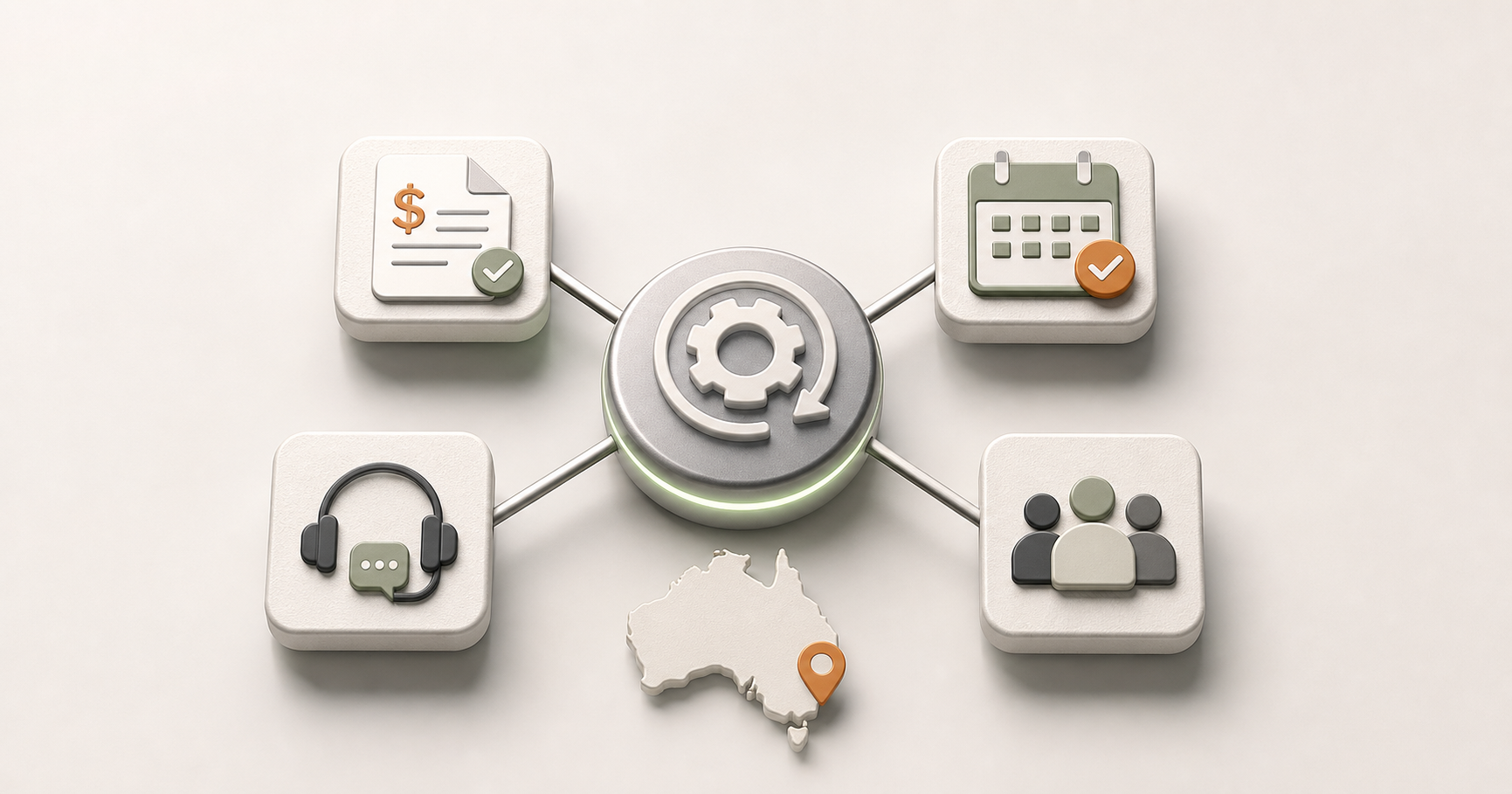
It is a first-of-its-kind strategic framework designed to strengthen Australia's digital resilience. The partnership focuses on four key areas: secure cloud infrastructure, cybersecurity, artificial intelligence, and the protection of critical infrastructure.
How much is Microsoft investing in Australia’s digital infrastructure?
Microsoft has committed A$25 billion to deepen its commitment to Australia. This investment will expand Azure AI supercomputing, enhance hyperscale cloud infrastructure, and build new data centres to support national economic resilience.
How will the Microsoft partnership improve Australia’s cyber security?
The partnership establishes a shared approach between Microsoft and the Department of Home Affairs for private-public cooperation. It focuses on strengthening critical systems and ensuring that AI and cloud technologies are deployed securely and responsibly.
Who will benefit from Microsoft’s digital skilling program in Australia?
Three million Australians will be targeted for training in workforce-ready digital skills. This program is designed to build national cyber defence capabilities and prepare the workforce for new digital infrastructure roles.
Sources
- https://news.microsoft.com/source/asia/2026/06/09/microsoft-au-government-resiliency-mou
- https://news.microsoft.com/source/asia/features/investing-in-australias-ai-future
- https://www.govconexec.com/2026/06/microsoft-australia-cybersecurity-ai-cloud-partnership
- https://www.industry.gov.au/publications/memorandum-understanding-between-australian-government-and-microsoft-collaboration-ai-opportunities
- https://itbrief.com.au/story/microsoft-australia-sign-digital-resilience-deal
- https://www.facebook.com/thetechcapital/posts/microsoft-and-the-australian-government-have-signed-an-agreement-to-strengthen-c/1306985361631580
Future-Proof Your Business with OnIT Solutions
Staying on top of AI and technology trends is critical for Australian SMBs. Our team helps you cut through the noise and implement the right solutions for your business. Talk to our AI Strategy team about what today's developments mean for your organisation — or explore our full range of Managed IT Services.