Web Development · Maroubra
Web Development Maroubra: Choose Images That Do Useful Work
Good website imagery explains something the visitor needs to understand. Plan its purpose, rights and delivery before uploading a folder of large files.
No lock-in · Sydney-based engineers · Response <4h

<4h
Response SLA
Priority response in Maroubra
99.9%
Uptime Target
SLA-backed availability
0
Lock-In Contracts
Cancel anytime, no penalties
100%
Australian Team
Local engineers, no offshore
Technology partners and platforms we work with


What we deliver
Web Development that works while you do.
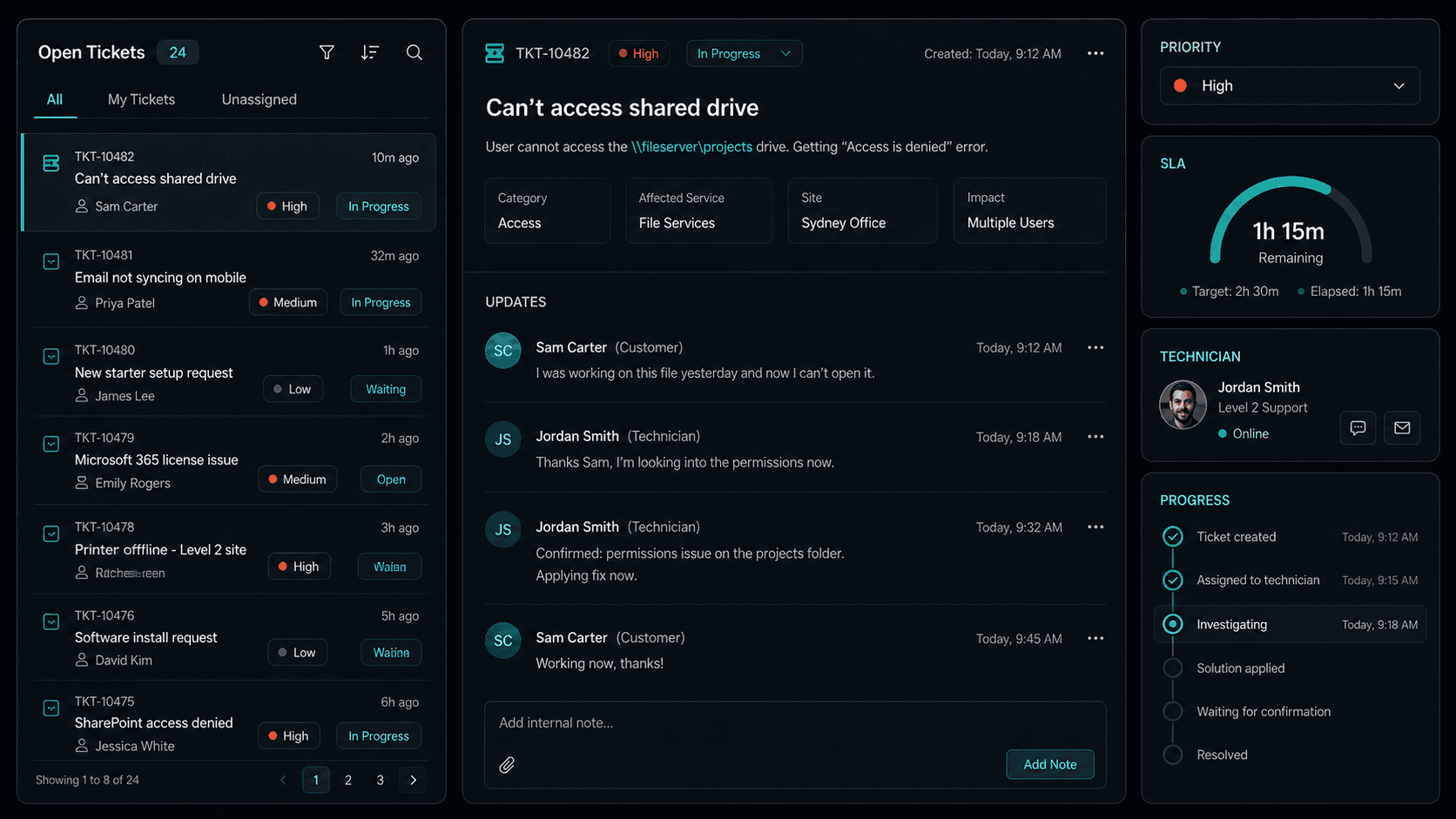
Everything your Maroubra business needs — managed as one seamless service with a fixed monthly price and guaranteed response times.
Last updated: 14 October 2026
Give each image a job within the page
For a Maroubra business building a website, image selection should start with what a visitor needs to see. A product detail, an example of work and a team introduction serve different purposes. OnIT Solutions provides custom website design, mobile-first layouts, CMS builds and performance optimisation. Those capabilities work best when the image brief identifies the information each picture contributes. Decide which pages need factual visual evidence and which can communicate adequately through text. An image should earn its place by helping understanding, orientation or a relevant decision rather than merely filling a blank area.
Review the proposed image alongside its surrounding copy. Ask what a reader might reasonably infer from it and whether that inference is supported. A generic office photograph should not suggest it depicts the business's actual premises. If a picture shows a completed project, confirm that the business can describe it accurately and has permission to publish it. Where a diagram or screenshot would explain a process better than a decorative photograph, consider that option within the design brief. The choice should reflect the page's purpose instead of repeating the same hero treatment everywhere.
Approve sources and rights before production
Create an asset register containing the source, approved use and person who can answer questions about each image. For supplied photographs, clarify whether permission covers website publication and any identifiable people or client material. Keep licence records for purchased assets in an appropriate business location. Do not assume that a picture found through search can be reused. If the business commissions photography, give the photographer the intended page uses and crop requirements so the result can support desktop and mobile layouts without losing important detail.
Check images for information that should not be public, including names on screens, documents on desks and customer identifiers. Review the full-resolution original rather than only a small preview. If editing is necessary, confirm that it does not misrepresent the product or outcome shown. An asset approval process should identify who signs off the final selection and how replacements are recorded. Rights and factual approval are different from technical optimisation: a compressed file can still be unsuitable to publish, while an authorised file may still need preparation for the web.

Prepare crops and descriptions for real layouts
Inspect how the subject survives at different aspect ratios and screen sizes. A wide banner crop may remove the relevant product feature when displayed on a narrow phone. Use a deliberate focal point or an alternative approved crop where the design requires it. Avoid placing essential instructions only inside an image, since resizing can make the words hard to read and some visitors will not see the image. Keep important labels in page text where possible and test the relationship between captions, headings and the visual content.
Write alternative text according to the image's function in context. A meaningful product photograph may need a concise description of the feature it communicates; an image used only for decoration should not add irrelevant narration. If an image is also a link, the accessible label needs to explain the destination or action. Captions can provide useful context to everybody without repeating a long description unnecessarily. Review these choices with actual page examples, because one universal formula for every image can create awkward or misleading results.
Deliver appropriate files without delaying the page
Keep high-quality originals outside the public delivery workflow and produce appropriately sized web versions. A small thumbnail generally does not need the same file as a large detailed photograph. Agree how responsive image sizes, dimensions and loading behaviour are handled in the build. The developer should identify which image is important to the initial page view and which can load later. Avoid treating every image as equally urgent, as unnecessary early downloads can compete with the content a visitor came to read.
Test pages with representative images rather than tiny temporary assets that make development results look better than the final site. Check clarity, file size and layout stability after optimisation. A before-and-after comparison should use equivalent page content and stated test conditions. Performance tuning involves trade-offs: reducing quality until product detail becomes unreadable is not a useful improvement. Keep a record of the approved result so future CMS uploads do not reintroduce very large originals or unpredictable dimensions that undermine the intended delivery approach.

Make image publishing a repeatable editorial task
Provide CMS guidance that explains the expected image role, crop, descriptive text and approval requirements. Editors should know whether the system creates responsive versions automatically or expects a prepared asset. Test a routine replacement with someone who will actually maintain the website. Check that the new image appears correctly in cards, detail pages and any shared previews where it is used. Replacing one file can have several effects, so the handover should identify those relationships instead of assuming each upload belongs to a single visible box.
For a Maroubra website image plan, gather approved assets, source records and examples of the information customers need to see. Discuss their use through OnIT's website design and development service. Agree which assets are supplied, which need commissioning and which require an alternative treatment. After launch, review new images against the same factual and technical checks. This keeps the visual direction coherent while allowing useful updates, with evidence and maintainability guiding decisions rather than a demand to make every section more decorative.
Quick Facts
“For Maroubra businesses, web development isn't just about keeping things running — it's about building a technology foundation that drives growth across Eastern Suburbs.”
— OnIT Solutions, Eastern Suburbs
What's included
Web Development in Maroubra. One team.
Custom Website Design
Bespoke designs built to your brand — no templates, no compromises. Every site is unique to your business.
SEO-First Architecture
SEO isn't an afterthought — site structure, speed, and schema are engineered for search from day one.
Core Web Vitals Optimised
Fast-loading, accessible, and mobile-first. Every site meets Google's performance standards out of the box.
CMS & Self-Management
Built on modern CMS platforms (Sanity, Contentful, WordPress) so your team can update content without a developer.
Service detail
Websites built to perform
Bespoke designs built to your brand — not templates. Every layout crafted for conversion and mobile-first performance.
Modern tech stack: Next.js, React, Tailwind CSS, and TypeScript — fast, scalable, and maintainable from day one.
Search-first structure: schema markup, canonical URLs, Core Web Vitals, and meta optimisation baked into every build.
Sanity, WordPress, or headless CMS — content your team can update without a developer.
Shopify, WooCommerce, and custom storefronts — product pages, checkout flows, and inventory integrations.
Green Core Web Vitals scores, lazy loading, image optimisation, and CDN configuration — fast on every device.
GA4, Tag Manager, conversion tracking, and heatmaps — full visibility into how visitors interact with your site.
Security patches, dependency updates, uptime monitoring, and feature development — your site stays fast and secure.
Why OnIT
Everything in one web development service
One team. One fixed scope. SEO-first design, fast delivery, and ongoing management — all included.
SEO architecture from day one
Every site is built with search in mind — page structure, meta tags, schema markup, and Core Web Vitals optimised.
Modern tech stack
Next.js, React, Tailwind, Sanity, WordPress — we build on platforms that scale with your business.


Sydney-based design team
Local designers and developers who understand your market — with face-to-face workshops available.
Fast, accessible, mobile-first
Every site scores green on Core Web Vitals — fast loading, responsive, and accessible on every device.
Service Breakdown
What's inside your plan
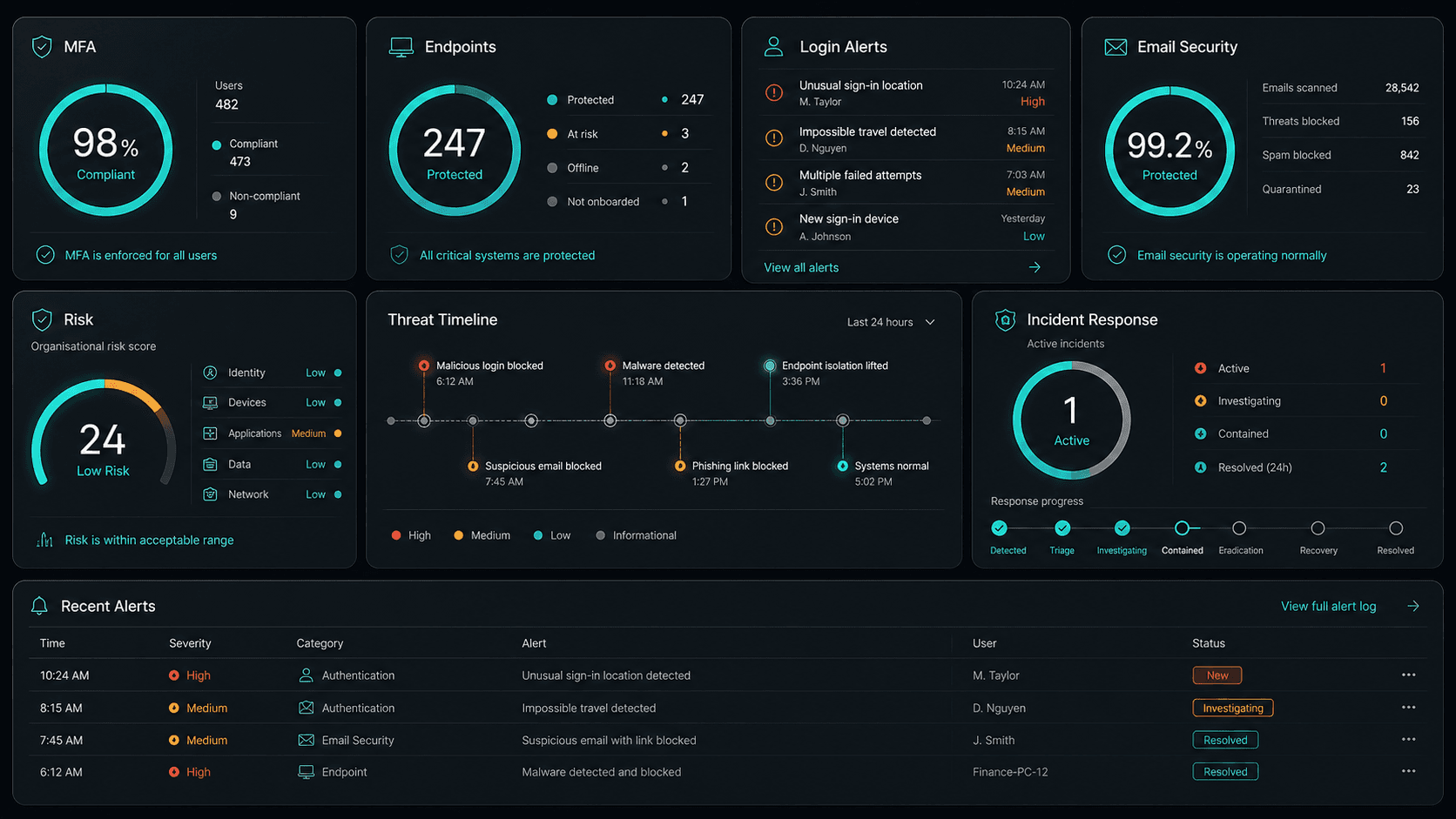
Click any card to see exactly what's included in each service area.

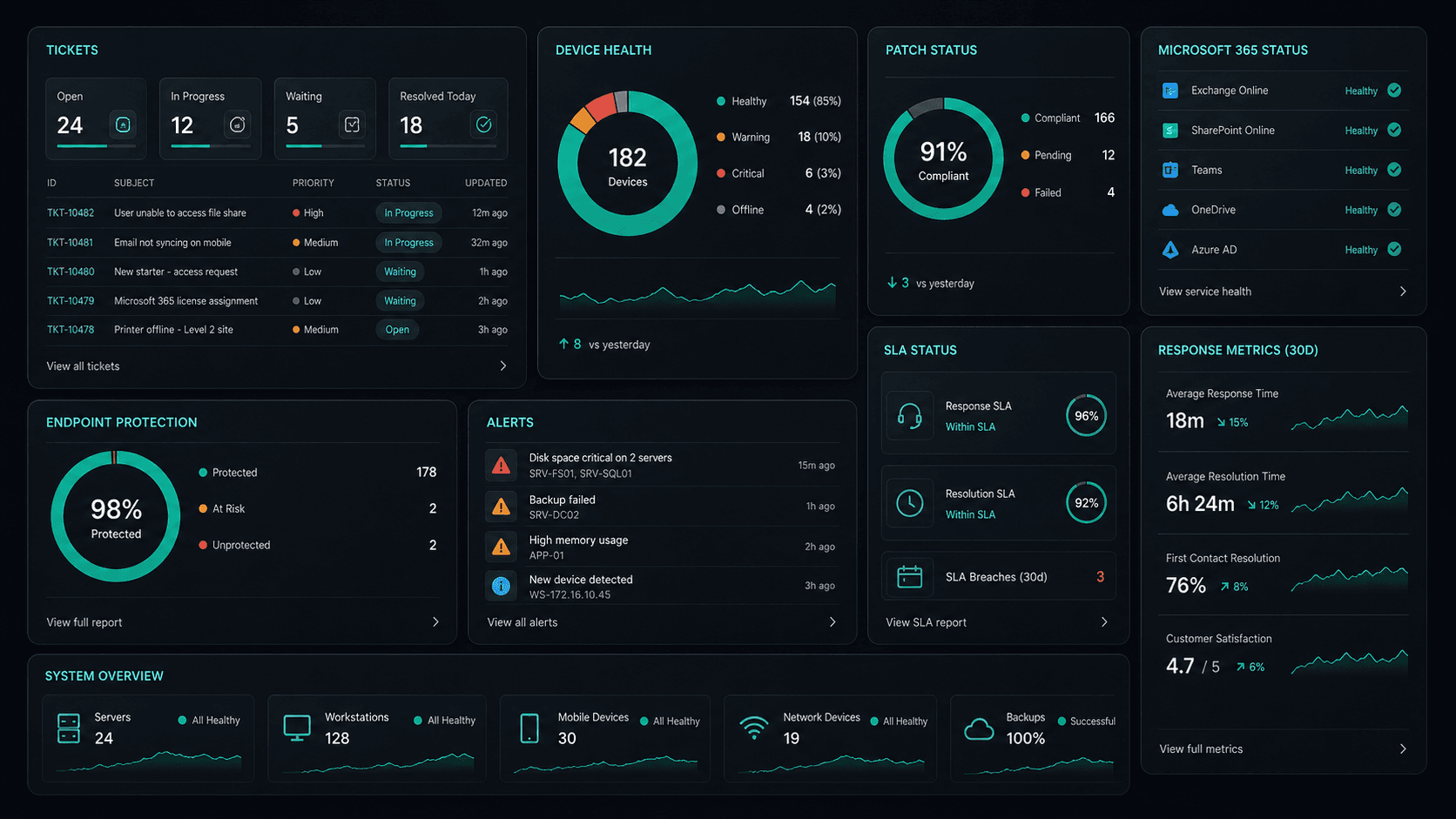
Web Development that scales from 5 to 200 seats, across every Eastern Suburbs business.
Why OnIT Solutions
Your Maroubra business, without the overhead.
Serving Maroubra (2035) and the broader Eastern Suburbs area — our Sydney-based engineers understand the Eastern Suburbs business community and are reachable when you need them. Whether you're a 5-person team or a growing operation with 200 seats, we scale web development to fit.
By the numbers
Measurable outcomes, guaranteed in writing
No surprise invoices. No waiting on hold. No different technician every time you call.
At a Glance
Included in your plan
Got questions?
Frequently asked questions
Also serving nearby
Web Development across Eastern Suburbs
Explore further
Related services for Maroubra
Cybersecurity
Threat monitoring, Essential Eight compliance, and endpoint detection — keeping your business secure around the clock.
IT Support Sydney
On-demand helpdesk and on-site support for your team. Fast response, local engineers, no lock-in contracts.
AI Automation
Workflow automation, AI chatbots and voice agents that reduce admin and free your team to focus on growth.

Get started
Ready for better Web Development
in Maroubra?
Book a free web development assessment with one of our Sydney-based engineers serving Maroubra and Eastern Suburbs. No lock-in, no obligation.
No lock-in contracts · Sydney-based engineers · Same-day response