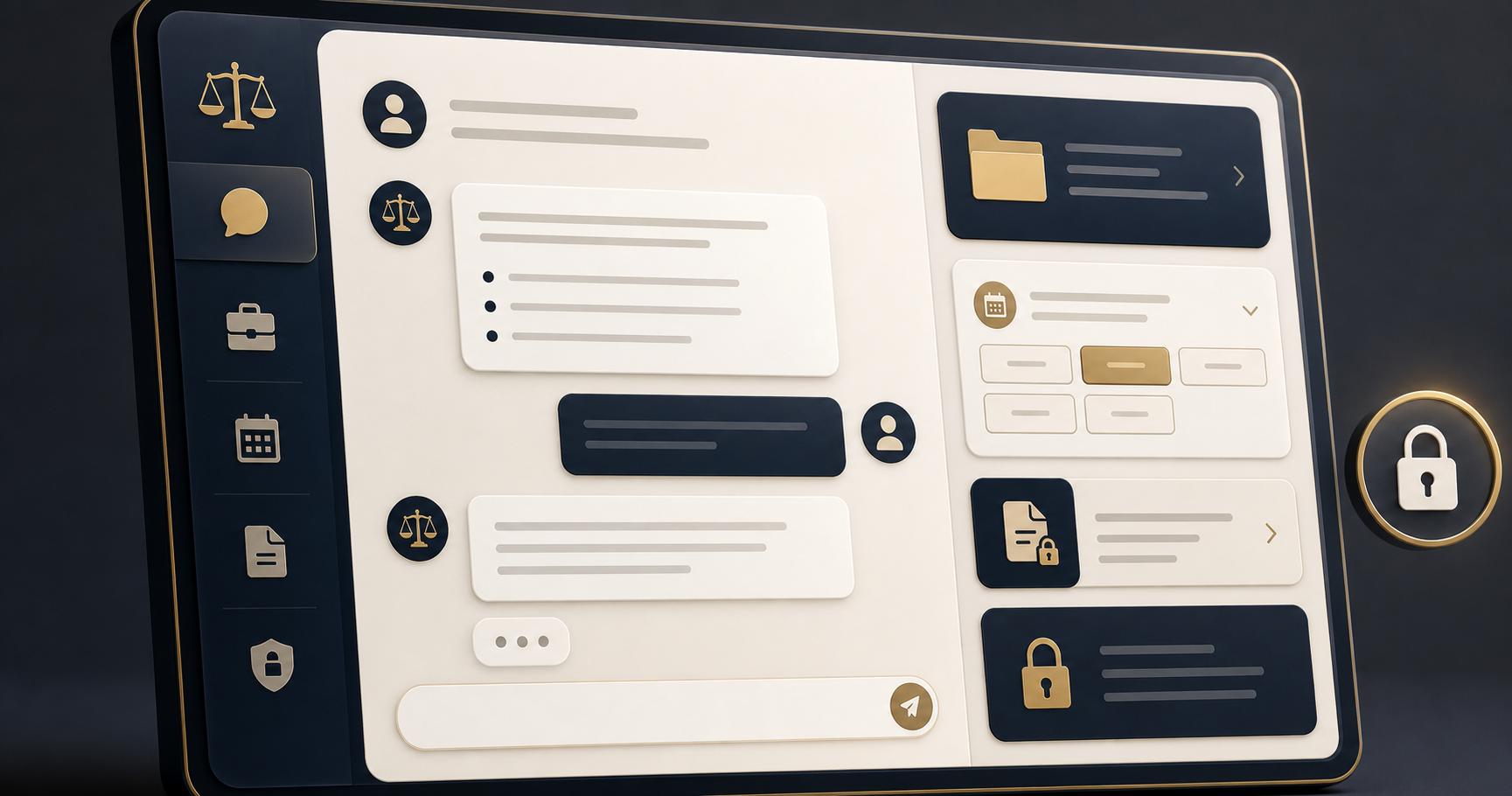
Enhancing Human Connection with AI for Customer Support
Modern customer service teams often feel like they are drowning in a sea of open browser tabs and repetitive queries, leaving little room for actual conversation. Implementing AI for customer support isn't about replacing your local team with a cold, robotic machine; it is about providing your staff with a digital assistant that handles the heavy lifting. By automating the routine, you empower your employees to focus on what humans do best: building genuine relationships and solving complex problems with empathy.
Building a Hybrid Support Model for Better Efficiency
When you adopt a hybrid support model, you bridge the gap between instant automated responses and deep human expertise. Integrated AI systems can be configured to retrieve customer data instantaneously from your backend systems, such as order history, delivery status, or previous support tickets. Instead of an agent spending several minutes toggling between multiple software platforms while a customer waits on hold, the relevant information is presented to them the moment they join the interaction.
For many Australian SMBs, maintaining a 24/7 presence can feel impossible without risking staff burnout or incurring massive overhead costs. Using customer service automation allows your business to field and classify messages at all hours, ensuring that urgent issues are flagged immediately while routine questions are resolved without human intervention. This gives your staff the freedom to work more reasonable shifts while your business maintains a high standard of availability for your clients around the clock.
Reducing Stress through AI Customer Service
By offloading high-volume, repetitive tasks to an AI customer service tool, your team's mental load is significantly reduced. They are no longer bogged down by answering the same "How do I reset my password?" questions fifty times a day. Instead, they can devote their energy to meaningful interactions that require a personal touch, such as handling a sensitive complaint or providing expert product advice. This shift makes the role more fulfilling for your employees and more effective for your customers.
The key to making this work is a seamless chatbot human escalation process. When a bot determines that a situation requires a person—perhaps because the customer is frustrated or the issue is too technical—it should pass along the full chat transcript. This ensures the human agent can pick up exactly where the bot left off, preventing the customer from having to repeat themselves. Developing a clear AI strategy helps ensure these handoffs feel natural rather than disruptive.
Defining these specific roles for your technology and your people ensures that every interaction remains grounded in a sense of helpfulness and care.
Defining Clear Roles for Successful AI Customer Service
Imagine your most experienced support staff spending half their morning asking callers for account numbers or order dates—it is a poor use of their expertise and a drain on your business's productivity. By clearly delineating what a bot does versus what a person does, you create a more efficient workplace where AI for customer support acts as a tireless digital concierge. This structure ensures that technology handles the mechanical "who and what" so your team can focus on the "why and how" of complex client needs.
Establishing a High-Performance Hybrid Support Model
To get the most out of customer service automation, you must treat your AI tools as a functional extension of your staff rather than a standalone gadget. In a successful hybrid support model, the AI takes full responsibility for speed and repetitive routing, while humans are reserved for high-stakes problem solving and situations requiring genuine empathy. For example, a bot can instantly verify an identity or check a shipping status through your integrated cloud solutions, providing immediate answers that would otherwise take a human several minutes of searching to find.
Using AI Customer Service to Enhance Context
A major pitfall in AI customer service is the "blank slate" handoff, where a customer is forced to repeat their entire story once they finally reach a person. Instead, your automation should be configured to capture critical customer information and distill it into a concise summary for the agent. When the technology passes along only the essential context—such as the customer's frustration level, their previous three orders, and the specific error message they encountered—the resulting human conversation becomes much more meaningful and productive.
This approach allows your agents to lead with solutions rather than questions. When an Australian business can tell a customer, "I see you are calling about the delivery we sent to Brisbane yesterday," rather than "How can I help you?", the customer immediately feels valued and understood. Blending automation in this way ensures that the technology enhances the experience without ever replacing the essential human connection that builds long-term brand loyalty.
Mapping out these boundaries requires a thoughtful AI strategy that considers the specific expectations of your local client base. When your team knows exactly where their responsibilities begin and the bot’s responsibilities end, they can work with greater confidence and provide a level of service that sets your business apart.
Deploying AI as the First Line of Support
Waiting in a long queue just to confirm a business name or a reference number is a frustration most of your customers would prefer to avoid. By positioning AI for customer support at the very front of your communication channels, you turn a tedious data-entry task into a streamlined digital welcome. This first line of defence acts like a virtual concierge, greeting every visitor instantly and ensuring that when they finally reach your human team, the conversation starts with solutions rather than administrative questions.
Automating the Triage and Verification Process
Setting up your **customer service automation** to handle the initial "triage" phase ensures that no customer is left waiting in silence. A virtual assistant can be configured to systematically gather the essential context your team needs to provide professional service. To get the most out of your first-line AI, consider following this workflow:
- Verify Identity: Program the bot to ask for account numbers, email addresses, or specific order IDs right away.
- Identify Intent: Use simple buttons or natural language processing to let the customer select their issue, such as "Billing Query" or "Technical Fault."
- Contextual Routing: The AI then passes this data to your CRM, ensuring the customer is directed to the person with the exact skill set required.
- Immediate Resolution: If the request is a simple request for documentation, the bot can provide a direct link to a PDF guide or an FAQ page.
Scaling Capacity with AI Customer Service
Most Australian SMBs face "peak hours" where inquiry volumes spike, often leaving staff feeling overwhelmed. Integrating **AI customer service** allows you to resolve high-volume, common issues — like password resets or tracking a parcel — without a human ever needing to intervene. When these repetitive tasks are handled by a bot, your phone lines stay open for customers with nuanced, high-stakes problems that require a local expert's touch.
For your team, this shift is transformative. Instead of spending 60% of their day on repetitive data collection, they can use keyboard shortcuts like Alt + Shift + D to pull up a pre-populated customer dashboard filled with the information the AI has already gathered. This hybrid support model creates the necessary mental space for your staff to deliver a higher quality of personalised service, focusing on empathy and rapport rather than clerical speed.
Refining the Chatbot Human Escalation Path
The goal of a first-line AI is to assist, not to act as a barrier. A successful chatbot human escalation process means the AI knows exactly when it is out of its depth. If a customer uses language indicating frustration or if the query involves a complex contract dispute, the AI should immediately offer a "Transfer to Agent" option. Because the bot has already performed the initial triage, the human agent can step in with a full understanding of the situation, making the customer feel heard and valued from the very first second of human contact. Exploring a professional AI agent deployment strategy can help you map these triggers effectively to protect your brand reputation.
This layers a foundation of efficiency that allows your business to grow its support capabilities without needing to exponentially increase your headcount or overhead costs.
Mastering the Hybrid Support Model and Escalation
Nothing kills a positive customer experience faster than a "cold" handoff where the client has to repeat their account details and problem for the third time. To avoid this frustration, your AI for customer support system must be configured to pass the baton like a professional relay runner. When the bot reaches its limit or detects a complex issue, the human agent should receive a full transcript and a summary of the customer's intent, allowing them to step in with an immediate solution rather than a list of basic questions.
Large-scale global leaders like Amazon have perfected this by ensuring their bots aren't just isolated tools; they are gateways to the customer's entire profile. By implementing a robust hybrid support model, you allow your automated systems to pull from past order history, previous tickets, and regional preferences to provide relevant, data-driven suggestions. This level of integration ensures that the initial interaction feels informed and helpful, building significant trust before a human staff member ever enters the frame.
Contextual Handoff mode. This allows your team to see exactly what the customer typed and which specific buttons they clicked within the chatbot interface before the escalation was triggered.Delivering Personalised Solutions via Chatbot Human Escalation
Imagine a loyal customer uses your bot to check on a specific spare part, only to find out it has been discontinued. In a standard, non-integrated setup, this is a dead end that leads to a lost sale. However, with effective customer service automation, your agent can intercept this moment and join the chat with a tailored recommendation already prepared. By reviewing the bot's data in real-time, the agent can say, "I noticed you were looking for that specific model; since it's no longer in stock, I've found a compatible upgrade that I can provide a local discount for today."
For local Australian businesses, this proactive approach turns a potential disappointment into a high-value service moment that builds long-term loyalty. It demonstrates that your business is genuinely listening and values the customer's time enough to do the background work for them. When you consult with experts on AI agent deployment, the goal is to create a workflow where the technology acts as a research assistant for your staff. This setup allows your team to focus on high-level empathy and complex problem solving while the AI customer service engine handles the data retrieval and initial identity verification.
By treating the transition from machine to human as a continuous conversation, you remove the "robotic" feel that often plagues automated systems. This ensures your chatbot human escalation process feels like a premium upgrade in service quality rather than a failure of the technology. Maintaining this balance is what separates basic automation from a truly world-class service experience that keeps clients coming back.
The Long-Term Value of Customer Service Automation
Investing in your team’s job satisfaction is often the secret to reducing turnover and maintaining a high standard of service across your organisation. By integrating AI for customer support, you move away from a model where your staff spend the majority of their day answering identical questions about shipping times or password resets. This transition allows employees to move into roles that are more fulfilling and less prone to burnout, as they spend their energy on complex problem-solving that requires human empathy and creative thinking—qualities a machine simply cannot replicate.
Scaling Growth Without Increasing Overhead
For many Australian small-to-medium businesses, the traditional approach to growth has always involved a linear increase in headcount to match customer volume. Implementing customer service automation allows you to break this expensive cycle by handling the bulk of repetitive interactions through smart software. This means you can scale your operations and handle hundreds of additional queries per week without necessarily adding to your fixed payroll costs or needing to rent a larger office space for a growing team.
By adopting a hybrid support model, your business becomes more resilient to seasonal spikes or sudden influxes of support requests. Whether it’s a busy holiday period or a specific marketing campaign, the AI acts as a flexible buffer that absorbs the initial wave of traffic, ensuring your human agents are never overwhelmed by the sheer volume. This strategic use of technology ensures that your support remains responsive and professional, regardless of how fast your customer base expands.
Ensuring Quality Through Constant Monitoring
While speed is a significant benefit, the long-term success of AI customer service depends on maintaining a high quality of interaction. Continuous monitoring of your automated systems ensures that the technology remains a helpful tool rather than a barrier to communication. By analysing the data captured during a chatbot human escalation, management can gain deep insights into customer pain points that were previously hidden in hours of phone recordings or thousands of individual emails.
This data-driven approach allows you to refine your services constantly, ensuring that the "human touch" is applied exactly where it provides the most value. When your team has access to the rich context gathered by the AI during the initial triage, they can provide a more personalised experience, such as offering a specific product recommendation based on a customer’s previous browsing history. This creates a more sophisticated support environment where technology and people work in harmony to drive long-term customer loyalty and business success.
Focusing on these strategic benefits helps transform your support department from a cost centre into a powerful engine for business growth and customer satisfaction.
Frequently Asked Questions
Will using AI for customer support make my business feel impersonal?
Not if used correctly as an augmentation tool. By letting AI handle data retrieval and basic questions, your human agents have more time to focus on empathy and complex problem-solving, which actually makes the overall experience feel more personal.
What is the best way to handle the transition from a chatbot to a human agent?
The transition must be seamless. The AI should pass the entire chat transcript and relevant customer data to the human agent so the customer never has to repeat their issue, allowing the agent to provide an immediate, informed solution.
Can AI for customer support help small businesses provide 24/7 service?
Yes, AI is ideal for fielding and classifying messages after hours. This allows Australian SMBs to maintain a constant presence for their customers while ensuring staff can work traditional business hours without missing urgent inquiries.
Sources
- https://www.kustomer.com/resources/blog/artificial-intelligence-for-customer-service/
- https://www.wavetec.com/blog/balance-human-ai-powered-customer-service/
- https://bloomfire.com/blog/human-customer-service/
- https://www.ibm.com/think/topics/ai-in-customer-service
- https://www.atlassian.com/blog/artificial-intelligence/ai-customer-service
- https://www.zendesk.com/blog/ai/workflow-automation/human-customer-service/
Ready to Go Beyond the Basics?
AI tools are just the start. OnIT Solutions specialises in deploying custom AI Agents that automate real business workflows — from customer service to data analysis. Book a free AI Strategy session and see what's possible for your business.